


“normal”? As I passed the woman walking the dogs, I asked if the two were friends. She responded that they had to be because they lived together. I noted that the little one was no bigger than the big one’s head. She declared that actually the big one’s head was bigger than the little dog, and added that the little one would hide under the big one when it rained!
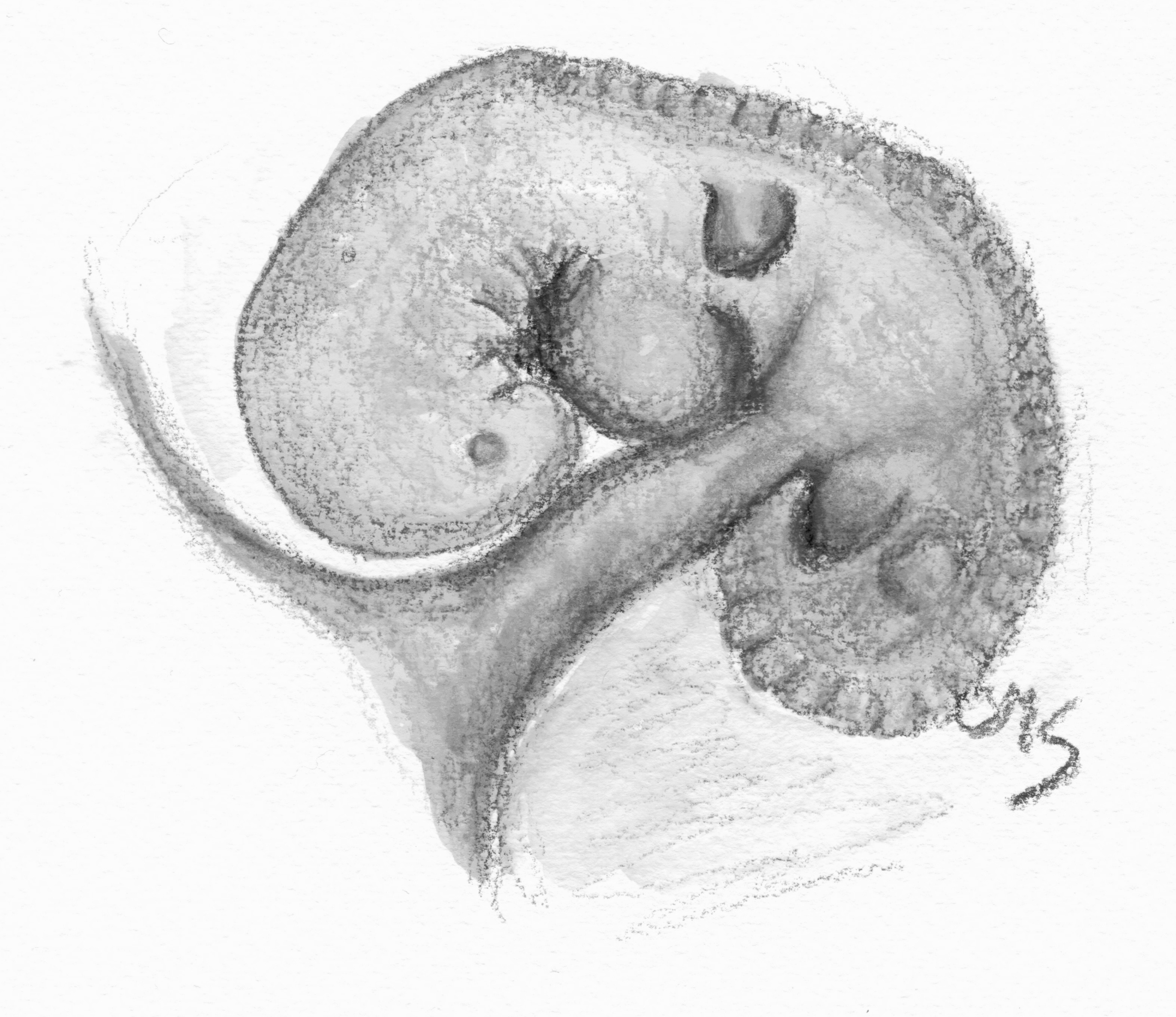
the embryo body changes dramatically. What would an embryo define as “normal”? One day the embryo body is a sphere, the next it is basically a midline, and soon after that little arm buds sprout, followed shortly after by leg buds. Is a spherical body normal? Is an armless, legless body normal? Embryologists would say it depends on the day, how long after conception are we looking at?
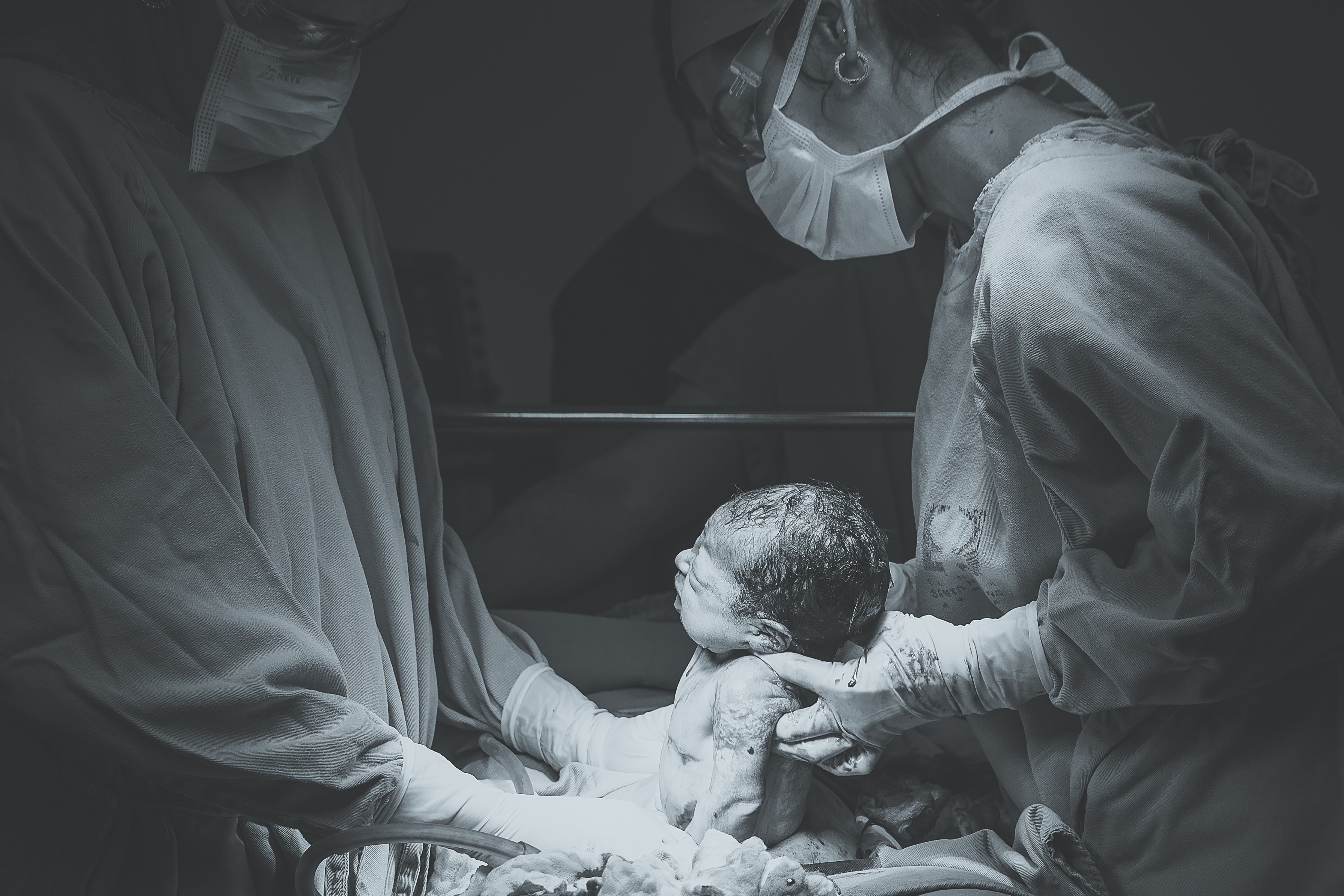
How do we define “normal” in a world where “normal” birth has been considered to include being restricted to a hospital room and bed, surrounded by strangers telling us what to do, wearing masks, administering anaesthesia and other drugs to control the timing of the birth, etc.? How do we listen to and trust what we know and the natural changes in the body inherent in the birth process?
head but not yet move across the floor, meets the challenge of wanting to reach a desired object by learning to push into the floor, reach out towards the object, and begin to pull her body along with her. At some point, she arrives and then the next challenge arises – how to grasp the desired object.
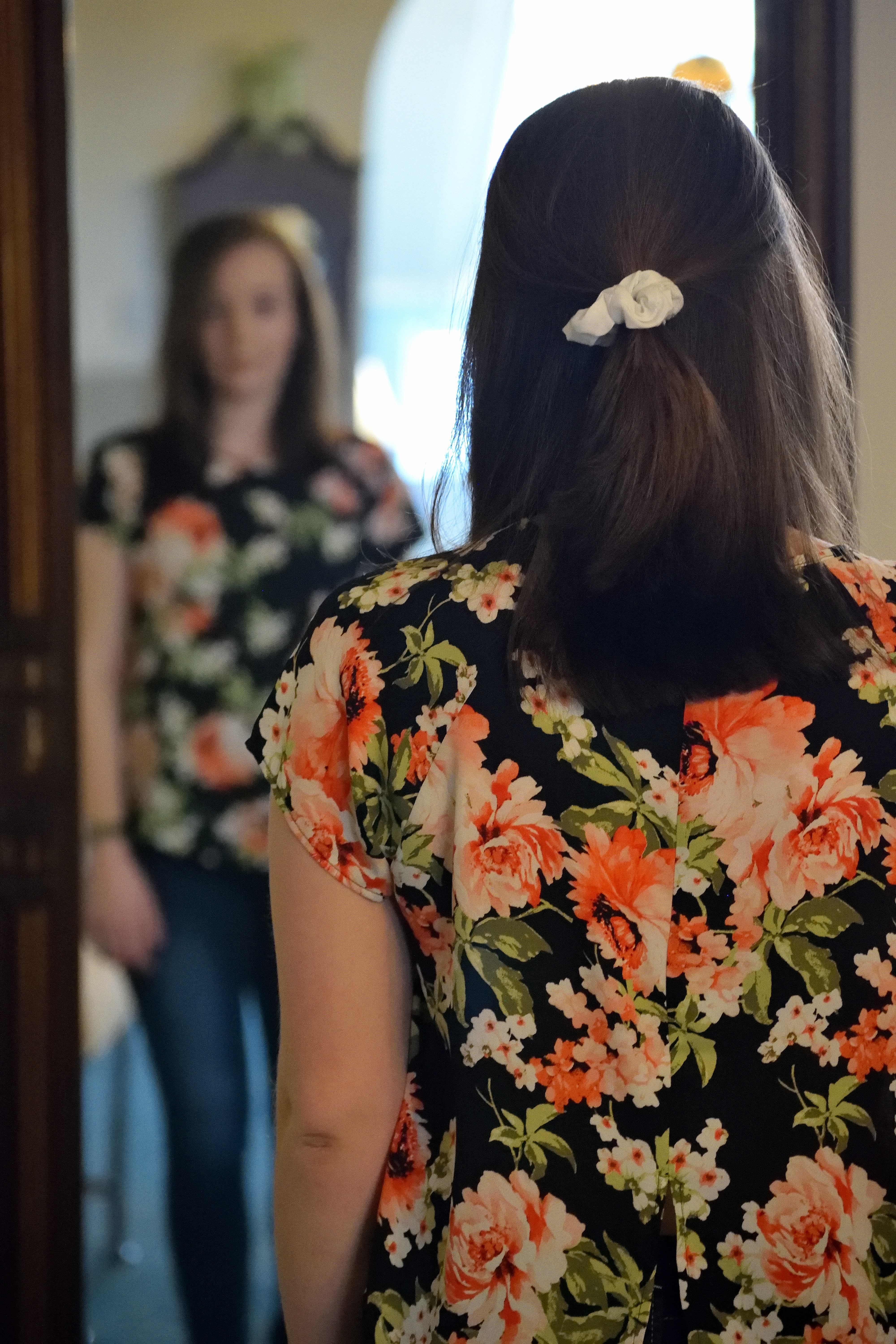
What else supports you in these turbulent times? I am reminded of a powerful and often challenging exercise from Louise Hay. Can you look in the mirror and tell yourself, “I love you and accept you!” If no one is available around you to let you know that, you are still empowered to do it yourself.